


Are Container Houses Environmentally Friendly?
Ⅰ.Reusing Materials & Reducing Construction Waste
One of the biggest environmental advantages of container houses is the efficient use of materials. Many modular homes are designed with recyclable steel structures and prefabricated components, helping reduce unnecessary waste during production.
Compared with traditional construction methods, factory manufacturing allows precise material cutting and better resource management. This means fewer leftover materials are sent to landfills, creating a cleaner and more sustainable building process.

Key Environmental Benefits:
✅ Recycled and recyclable steel structures
✅ Reduced construction waste
✅ Less impact on natural resources
✅ Factory-controlled production process
Ⅱ.Energy-Efficient Design for Lower Carbon Footprint
Modern container houses are not only fast to install but can also be designed for improved energy performance. High-quality insulation materials, energy-saving windows, and optimized layouts help maintain comfortable indoor temperatures throughout different seasons.
Many models can integrate sustainable technologies such as solar panels, rainwater collection systems, and energy-efficient lighting, making them suitable for eco-conscious homeowners.

Sustainable Features Include:
🌱 Advanced Insulation
Insulated sandwich panels help reduce heat loss and improve indoor comfort.
☀ Solar Energy Integration
Roof spaces can support solar panels to provide renewable power options.
💡 Efficient Lighting Systems
LED lighting and smart controls reduce daily energy consumption.

Ⅲ.Faster Construction with Less Environmental Impact
Traditional construction often involves months of on-site work, heavy equipment, and significant environmental disturbance. Container houses use a modular prefabrication method, where most components are manufactured before delivery.
This approach reduces noise pollution, dust, transportation frequency, and energy consumption during installation.
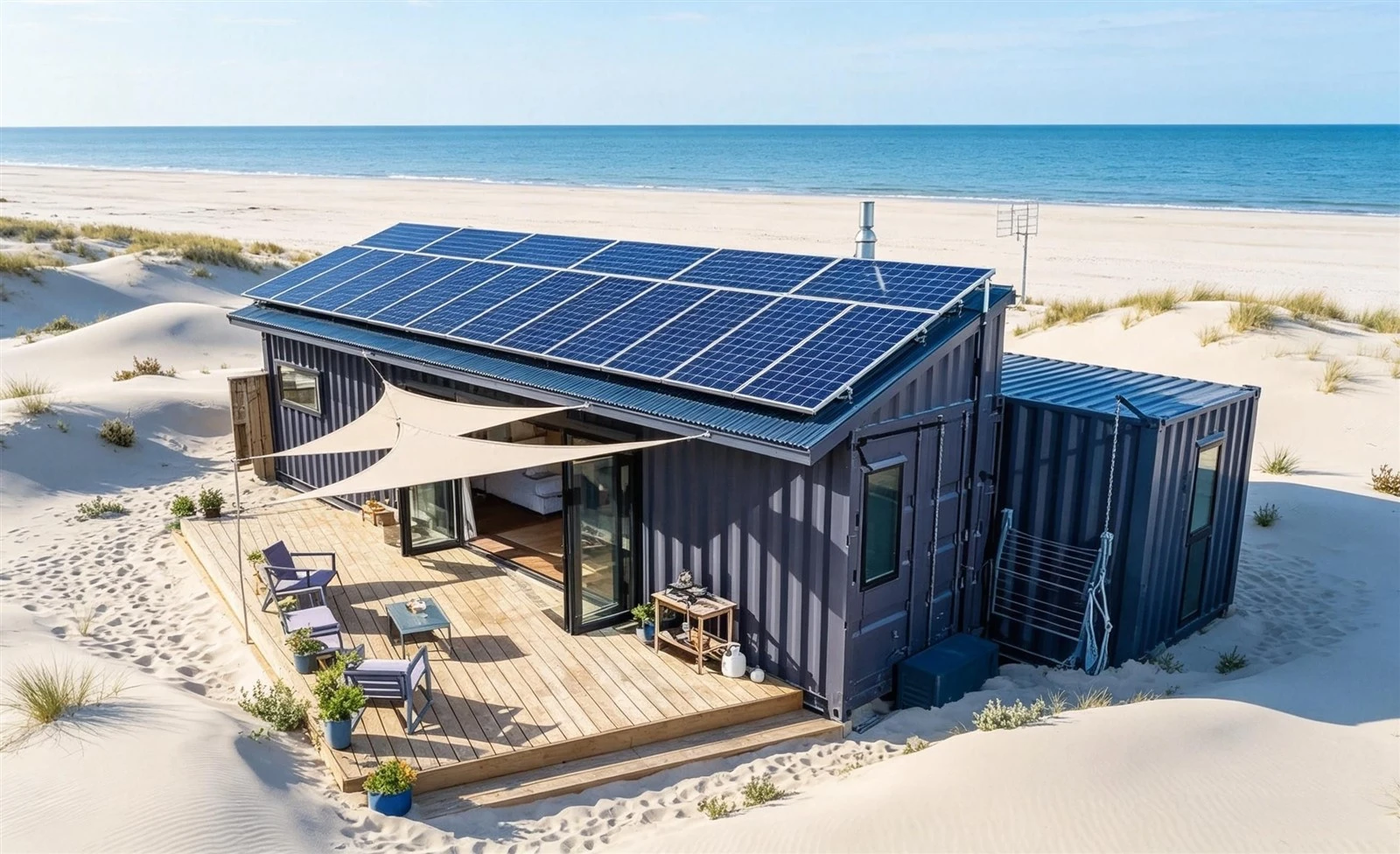
Compared with Conventional Buildings:
| Feature | Container House | Traditional Construction |
|---|---|---|
| Construction Time | Shorter installation period | Longer building process |
| Material Waste | Lower waste production | More construction waste |
| Site Impact | Minimal disturbance | Larger environmental impact |
| Flexibility | Easy relocation and expansion |
Fixed structure |
Ⅳ.Long-Term Sustainable Living & Flexible Applications
Sustainability is not only about construction-it is also about how a building adapts over time. Container houses offer flexible layouts, expandable designs, and relocation possibilities, allowing users to adjust their spaces without rebuilding from scratch.
They can serve as permanent residences, vacation cabins, rental units, offices, schools, and emergency shelters while reducing the need for new construction resources.

Suitable Applications:
🏡 Eco-friendly family homes
🏕 Outdoor holiday cabins
🏢 Modular offices and commercial spaces
🚑 Emergency accommodation solutions
Conclusion: Are Container Houses Environmentally Friendly?
Yes, container houses can be an environmentally friendly housing option when designed with sustainable materials, energy-efficient systems, and responsible manufacturing methods.
By reducing construction waste, improving energy efficiency, and offering flexible long-term use, modern prefab container homes provide a smarter approach to sustainable living.
As green building concepts continue to develop, container houses are becoming an important part of the future housing market-combining environmental responsibility, affordability, and modern comfort.


