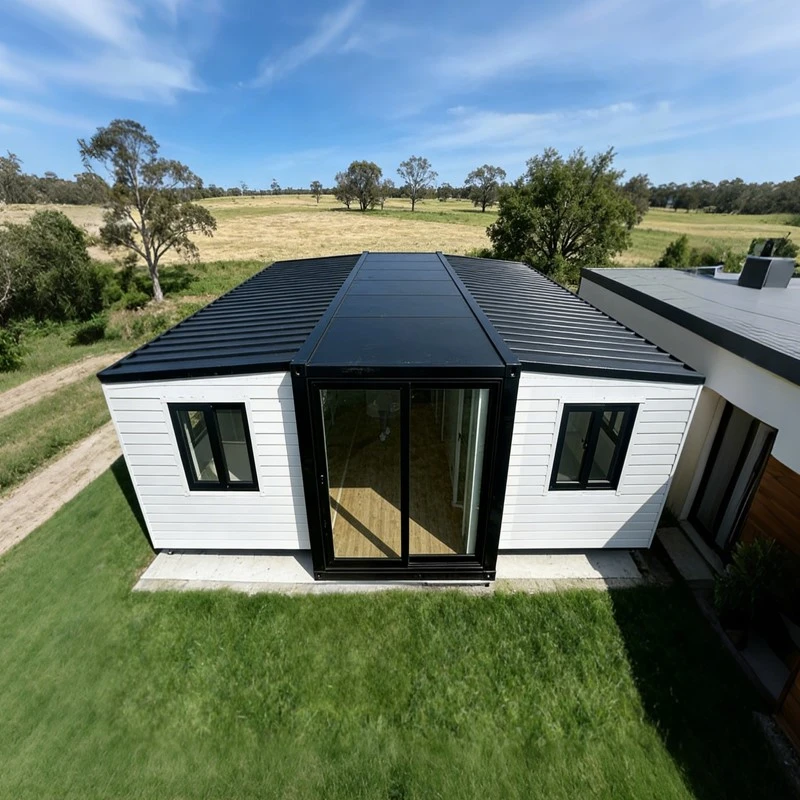


Are Expandable Container Houses Fire Resistant?
Ⅰ.What Materials Affect the Fire Resistance of Expandable Container Houses?
Different building materials have different fire performance characteristics.
- Steel frame: Steel is non-combustible, although its strength can decrease significantly at high temperatures.
- Rock wool panels: Commonly used for their non-combustible insulation properties.
- PU and EPS panels: Provide thermal insulation, but their fire performance depends on the specific formulation and tested panel system.
- Fire-rated interior materials: Suitable wall and ceiling finishes can help improve overall fire safety.
Material selection should be based on the project's required fire rating and applicable local standards.

Ⅱ.How to Improve Fire Safety Through Interior Design
Fire safety involves more than choosing insulation panels. Interior design and electrical installation also play important roles.
Consider the following measures:
- Use tested fire-rated wall and ceiling materials where required.
- Install electrical wiring and circuit protection according to local regulations.
- Select suitable smoke detectors and fire extinguishers.
- Keep electrical equipment away from flammable materials.
- Provide appropriate emergency exits and escape routes.
These measures can help reduce fire risks and improve occupant safety.

Ⅲ.What Fire Safety Standards Should Buyers Check?
Different countries have different fire safety requirements for prefabricated buildings. International buyers should confirm the applicable standards before purchasing.
Important considerations include:
- EN 13501-1: European classification of the fire performance of construction products.
- ASTM E84: Evaluates surface burning characteristics of building materials.
- ASTM E119: Tests the fire resistance of building construction and assemblies.
- Local building codes: Specify requirements for fire protection, escape routes, and building occupancy.
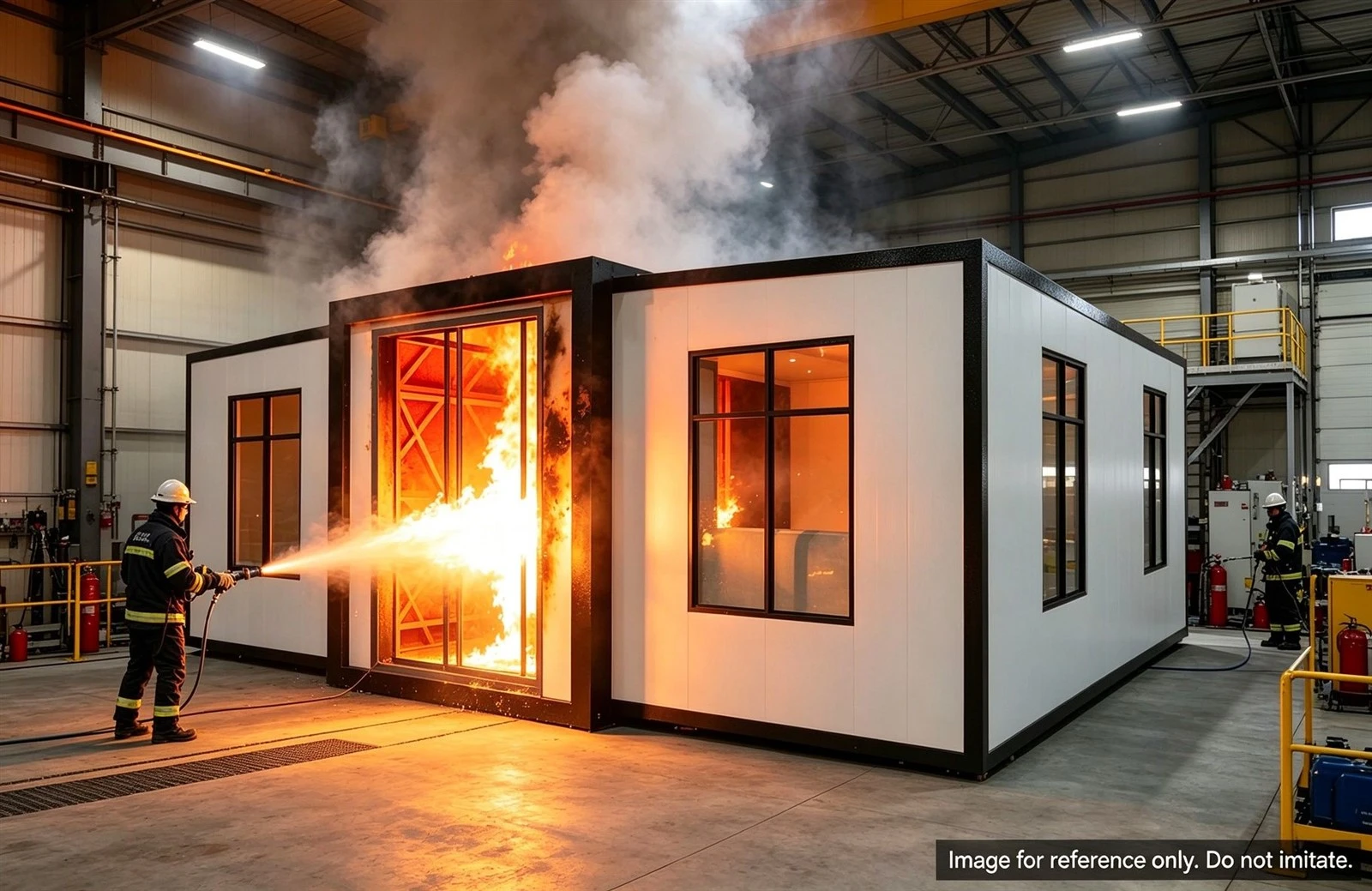
Buyers should request valid test reports for the actual materials and complete assemblies being supplied. A material certificate alone does not establish the fire rating of an entire building.
Ⅳ.How to Choose a Fire-Safe Expandable Container House
When selecting an expandable container house, buyers should evaluate the manufacturer's material specifications, fire test reports, electrical configurations, and quality control procedures.
Before ordering, confirm:
- Steel frame specifications and structural protection.
- Insulation panel materials and fire classification.
- Interior wall and ceiling material performance.
- Electrical safety and fire protection equipment.
Compliance with destination-country building regulations.