


Can Expandable Container Houses Be Upgraded After Installation?
Ⅰ.Why Expandable Container Houses Can Be Upgraded
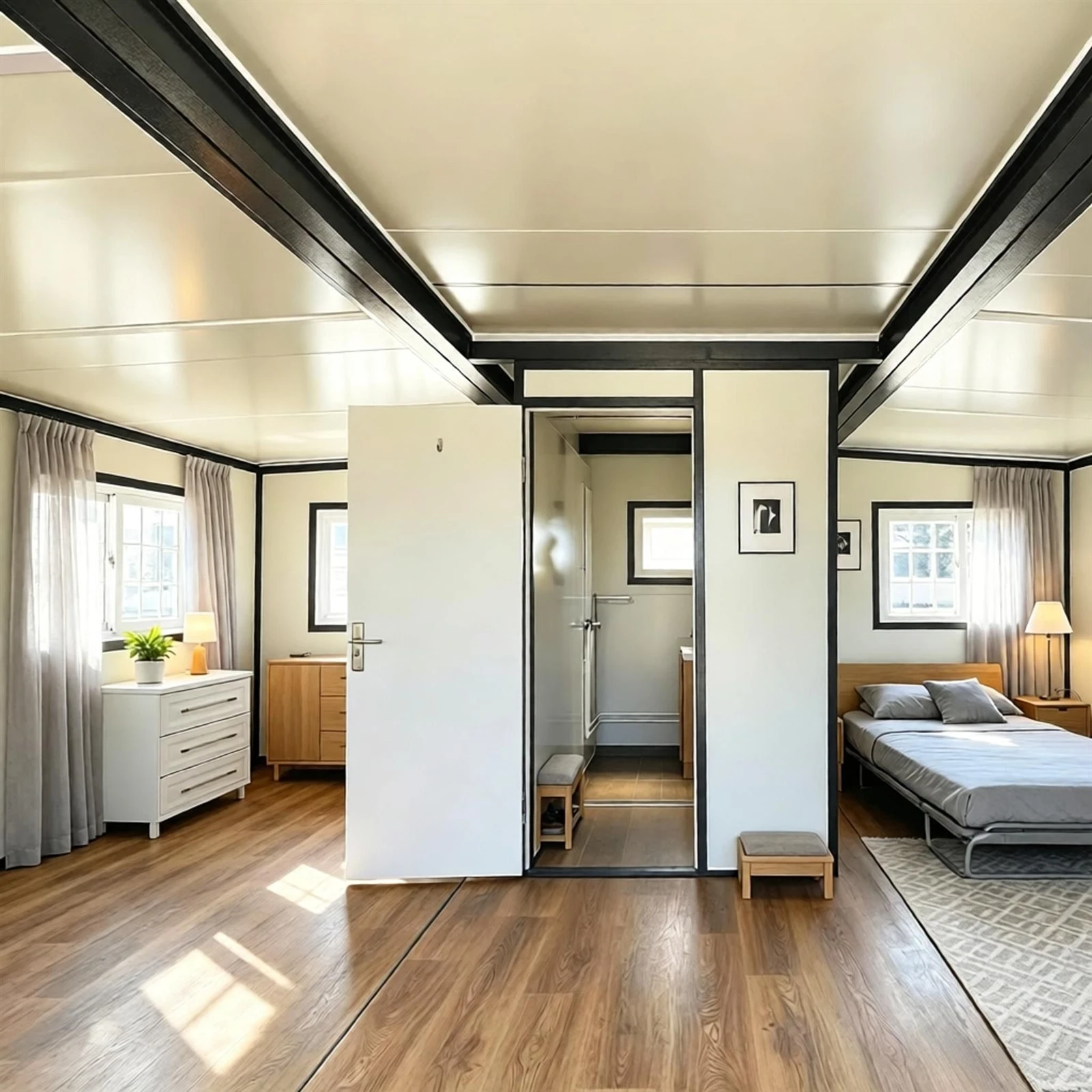
One of the main advantages of a prefabricated expandable house is that many components are installed through a modular construction system. The basic structure, walls, doors, windows, flooring, electrical wiring, and plumbing can be planned separately, making future improvements easier than with some conventional structures.
Flexible Interior Modifications
Interior spaces can often be upgraded according to changing requirements. For example, an owner may initially use a unit as temporary accommodation and later convert it into a more comfortable long-term residence.
Possible improvements include:
- New wall and ceiling finishes
- Built-in wardrobes and storage
- Kitchen cabinets and appliances
- Bathroom upgrades
- Bedroom partitions
- Office furniture
- Decorative lighting
- Improved flooring
- Additional furniture and fixtures
Adaptable Functional Layouts
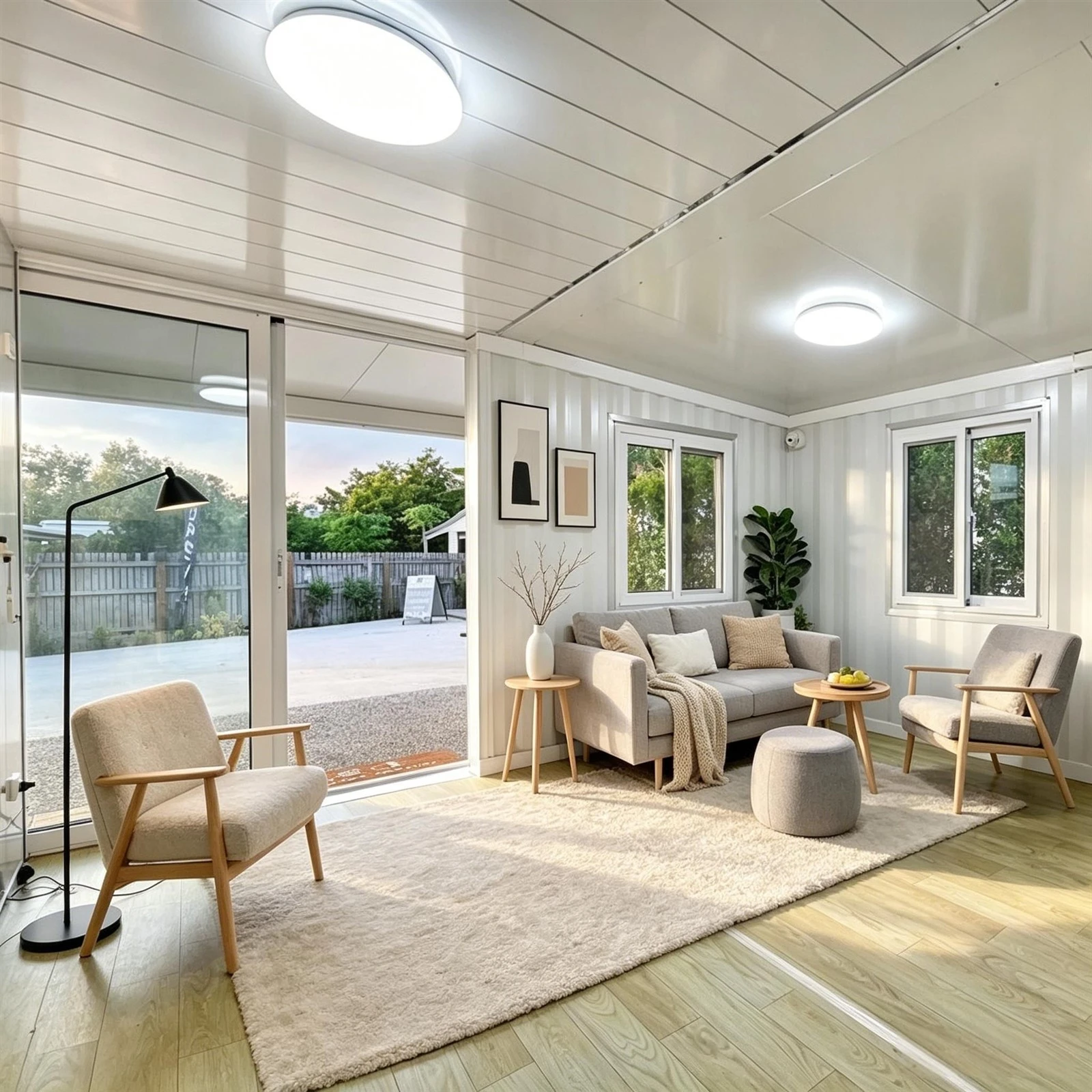
As usage changes, the interior layout can also be adjusted. A space originally designed as a simple living area could potentially be reorganized into a bedroom, office, rental unit, staff accommodation, or guest room.
However, modifications should not interfere with the main structural frame or folding/expansion mechanisms. Structural changes should always be evaluated by the manufacturer or a qualified professional.
Ⅱ.What Parts Can Be Upgraded After Installation?
Not every component needs to be upgraded at the same time. In many projects, owners improve the house gradually as their budget and requirements change.
Insulation and Climate Control
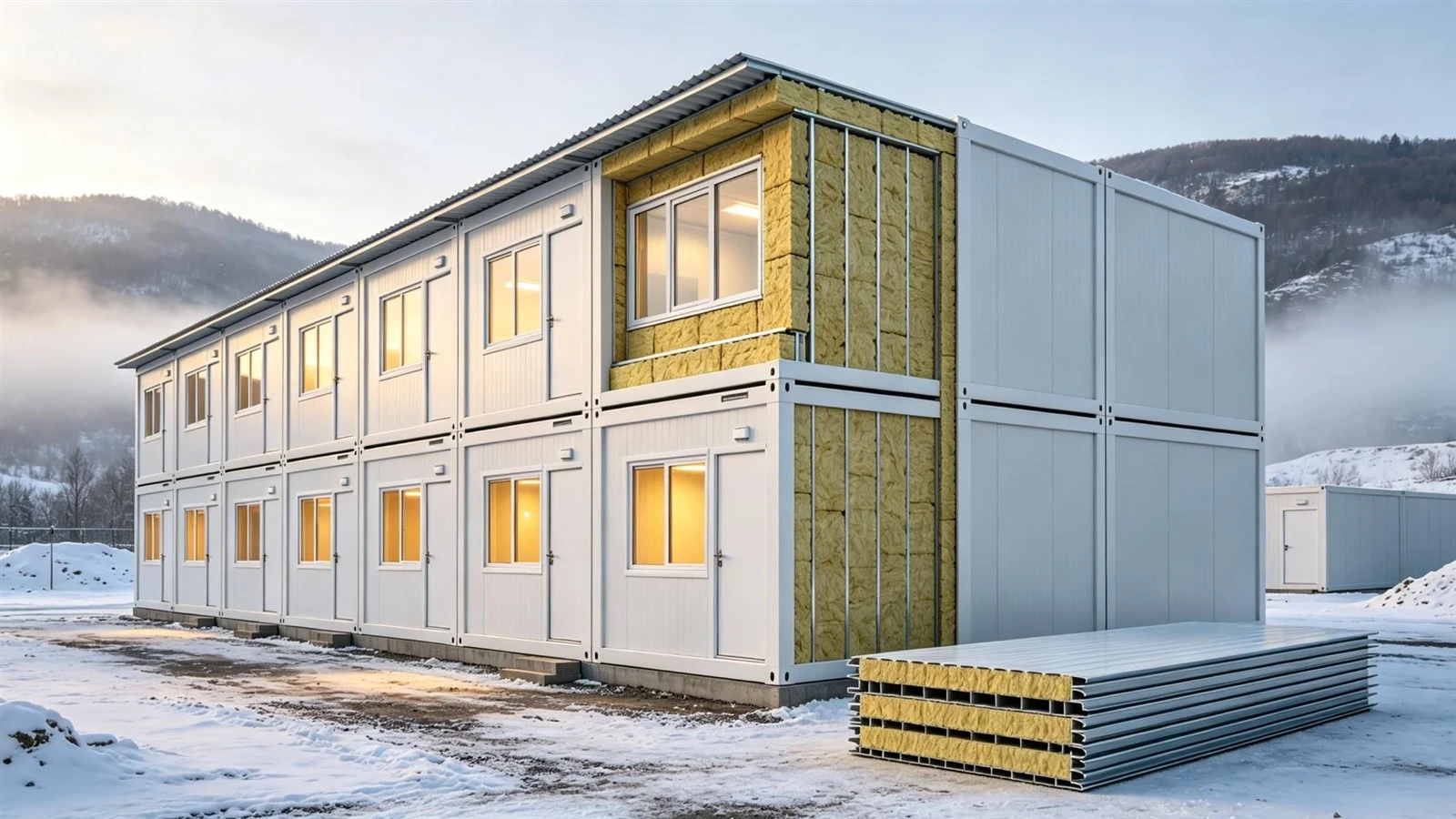
For projects in areas with hot summers or cold winters, insulation performance can be an important consideration. Depending on the original wall system, upgrades may include additional insulation, improved sealing, or higher-performance doors and windows.
Heating and cooling equipment can also be added or replaced with more suitable systems.
Electrical and Lighting Systems
Electrical systems are another common area for upgrades. Depending on local regulations and the original configuration, owners may add:
- Additional sockets
- LED lighting
- Outdoor lighting
- Air-conditioning circuits
- Higher-capacity electrical equipment
- Smart switches
- Internet and communication systems
Electrical modifications should be completed according to the applicable local electrical standards.
Solar Power and Energy Equipment
For remote cabins, farms, campsites, and off-grid applications, solar systems can be considered as a later-stage upgrade.
Solar panels, batteries, inverters, and energy-management equipment can potentially be integrated into the project, provided that the roof structure, electrical system, and local regulations are suitable.
Interior and Exterior Appearance
Upgrades are not limited to functionality. Owners can also improve the appearance of the building through exterior cladding, decking, awnings, landscaping, lighting, and interior decoration.
This allows the same basic expandable house to evolve from a simple accommodation unit into a more customized residential or commercial space.

Ⅲ.Can the House Be Expanded for Different Uses?
Another important advantage is that upgrades do not necessarily mean replacing the entire house. The original unit can remain the foundation of the project while additional functions are introduced around it.
From Temporary Housing to Permanent Accommodation
A project may initially require basic accommodation for workers or temporary residents. Over time, the owner can improve the kitchen, bathroom, insulation, flooring, lighting, and furniture to create a more comfortable living environment.
From Basic Unit to Rental Property
For tourism and hospitality projects, an expandable container house can be upgraded with:
- Private bathrooms
- Kitchenettes
- Hotel-style furniture
- Outdoor decks
- Canopies
- Landscape lighting
- Smart access systems
- Heating and cooling equipment
This can help operators adapt the same building concept to different accommodation standards.
From Office to Multi-Functional Space
Expandable houses can also be used for offices, reception areas, site management rooms, classrooms, and commercial spaces. As project requirements change, internal partitions, furniture, electrical equipment, and communication systems can be upgraded.
The key consideration is to distinguish between non-structural modifications and changes that affect the primary structure. The latter require professional assessment.
Ⅳ.What Should Be Considered Before Upgrading?
Although expandable container houses offer considerable flexibility, upgrades should be planned carefully. A modification that appears simple may affect the building's structure, electrical capacity, waterproofing, or expansion mechanism.
Check the Original Structure
Before adding heavy equipment, changing walls, or installing rooftop systems, the load-bearing capacity and structural design should be reviewed.
In particular, avoid modifying structural beams, columns, hinges, expansion mechanisms, or other critical components without professional guidance.
Review Electrical and Plumbing Capacity
Additional appliances and equipment may increase electricity and water demand. The existing systems should therefore be checked before adding high-power appliances, bathrooms, kitchens, or other facilities.
Consider Local Building Requirements
Regulations can vary considerably between countries and regions. Depending on the location and intended use, permits or compliance requirements may apply to electrical work, plumbing, foundations, insulation, fire safety, structural modifications, and other upgrades.
No Information


